
Why Isn’t Your Website Ranking?
You’ve got the website. The content’s flowing. Traffic’s trickling in.
But here’s the kicker: Why isn’t your site ranking? Why aren’t the leads pouring in?
Sounds familiar? You’re not alone.
SEO isn’t some magic wand; it’s a mix of strategies, consistency, and avoiding mistakes. And those mistakes? They’re killing your rankings.
In this guide, I’ll walk you through the most common SEO mistakes and how to fix them. By the end, you’ll know what to ditch, what to tweak, and what to double down on.
Let’s dive in.
Avoid Ignoring Mobile Optimization for Better Website Performance
Why Mobile Optimization Matters
When was the last time you Googled something on your phone? Exactly.
Here’s the deal:
- 50%+ of web traffic comes from mobile.
- Google’s all about mobile-first indexing.
- Bad mobile experience = people bounce = you lose.
How to Fix Mobile Optimization Issues
- Test your site on multiple devices (phones, tablets, etc.).
- Use Google’s Mobile-Friendly Test to see where you stand.
- Compress images for faster loading.
- Ensure your site is responsive—adjusting perfectly to any screen.
No mobile optimization? You’re leaving rankings, traffic, and customers on the table.
CTA: Learn how to supercharge your SEO strategies.
Don’t Skip Meta Descriptions and Title Tags for SEO Success
Why These Tiny Tags Pack a Punch
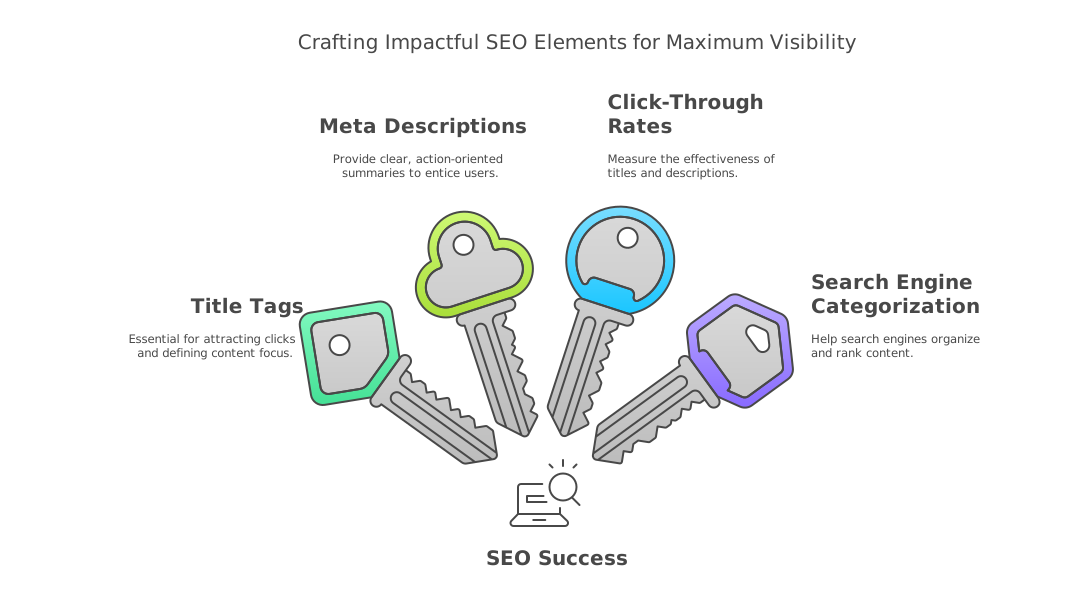
Meta descriptions and title tags are like movie trailers. They tell searchers (and Google) what’s inside.
Why they matter:
- They directly impact click-through rates (CTR).
- They help search engines categorize your content.
- A great title tag gets eyeballs.
How to Create Killer Meta Descriptions and Title Tags
- Title Tags:
- Keep them under 60 characters.
- Add primary keywords without stuffing.
- Make them unique and catchy.
- Meta Descriptions:
- Be clear about what the page is about.
- Use action-oriented language.
- Make each one unique.
Skipping this step? It’s like wrapping a gift and forgetting the tag.
CTA: Boost your SEO with actionable insights.
Eliminate Duplicate Content for Better Website Performance
Why Duplicate Content is a Deal-Breaker
Duplicate content confuses search engines. They don’t know which version to rank.
What happens then?
- You lose rankings.
- Your authority takes a hit.
- Google doesn’t trust your site.
Fix Duplicate Content Like a Pro
- Run your site through tools like Copyscape.
- Avoid copying product descriptions from manufacturers.
- Write unique, helpful content for every page.
Google wants fresh, original content. Give it that, and you’ll win.
Prioritize Image Optimization for Better Website Speed and Rankings
Why Images Are Slowing You Down
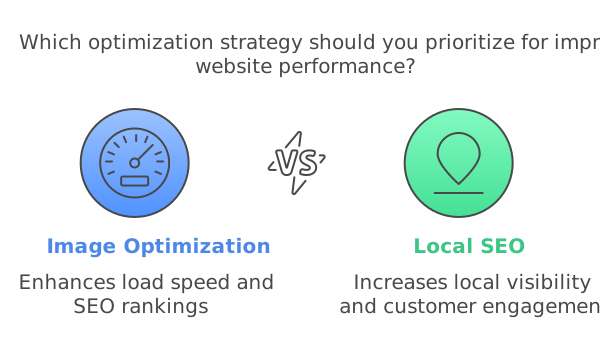
Big, unoptimized images = slow load times. And slow sites? Google hates them.
Quick Wins for Image Optimization
- Compress images before uploading (try TinyPNG or ImageOptim).
- Use descriptive alt text with relevant keywords.
- Resize images to the exact dimensions you need.
Your site will load faster, rank better, and keep users happy.
Don’t Overlook Local SEO for Better Website Performance
Why Local SEO is Non-Negotiable
If you run a local business, this is huge.
People search for services “near me” all the time. If you’re not showing up, you’re invisible.
Get Local SEO Right
- Claim your Google My Business profile.
- Add local keywords to your site (e.g., “Pune’s best bakery”).
- Encourage happy customers to leave reviews.
- Create content around local events or issues.
CTA: Explore proven SEO strategies for local visibility.
Fix Technical SEO Issues to Boost Website Performance
Common Culprits in Technical SEO
- Broken links.
- Crawl errors.
- Missing SSL certificates.
Simple Fixes to Nail Technical SEO
- Use Google Search Console to check for crawl errors.
- Secure your site with an SSL certificate (https matters!).
- Fix broken links with tools like Screaming Frog.
Technical SEO might sound boring. But it’s the backbone of your rankings.
Improve Content Quality for Better Engagement and Rankings
Why Content Quality is King
Google loves content that solves problems. Users stick around for valuable, engaging content.
How to Level Up Your Content
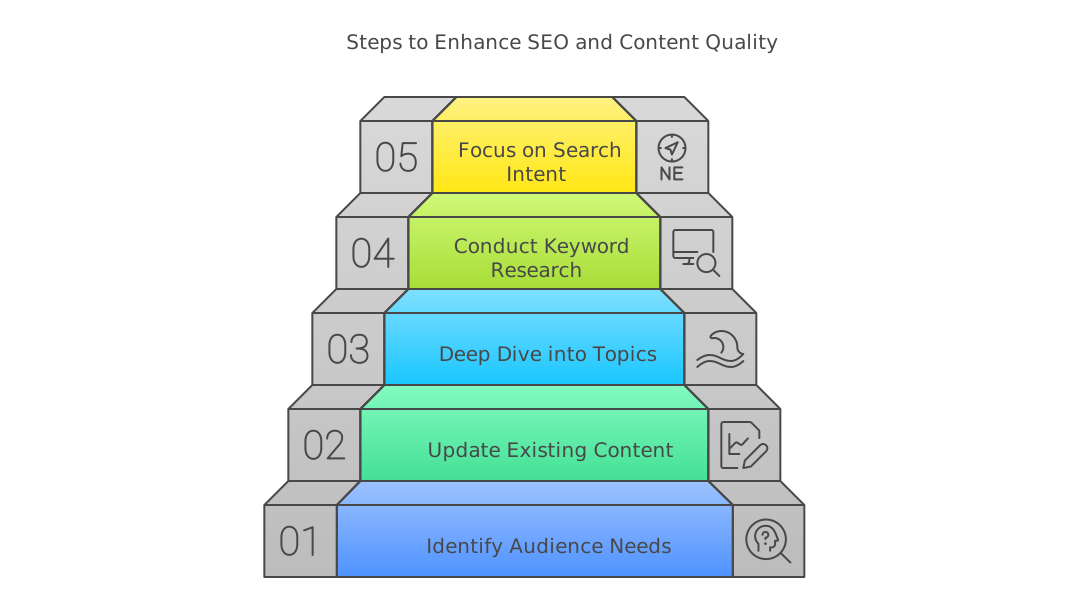
- Write content that answers your audience’s questions.
- Regularly update older posts.
- Go deep into topics rather than skimming the surface.
Master Keyword Research and Search Intent for Better SEO
Why Keywords Aren’t Dead
Keywords help you target the right audience. But here’s the twist: It’s about search intent, not just volume.
How to Nail Keyword Research
- Use tools like SEMrush and Google Keyword Planner.
- Look for long-tail keywords that answer specific questions.
- Align your content with user intent (e.g., informational vs. transactional).
CTA: Discover more about aligning SEO with intent.
Organize Your Website’s Architecture for Better SEO Performance
Why Structure Matters
A messy website confuses both users and search engines. A clear structure improves rankings and user experience.
How to Fix Website Architecture
- Use clear categories and subcategories.
- Add internal links to guide users.
- Keep URLs clean and descriptive.
Conclusion: Take Action Today
SEO isn’t rocket science. It’s about avoiding mistakes, staying consistent, and delivering value.
Start by fixing the basics: mobile optimization, meta tags, and content quality. Dive deeper into local and technical SEO. And don’t forget keyword research.
Want to dive deeper? Check out these resources:
- Comprehensive SEO Strategies for Success
- SEO Strategies to Boost Your Website Ranking
- How to Nail SEO, PPC & Content Marketing Strategies
Your SEO journey starts here.